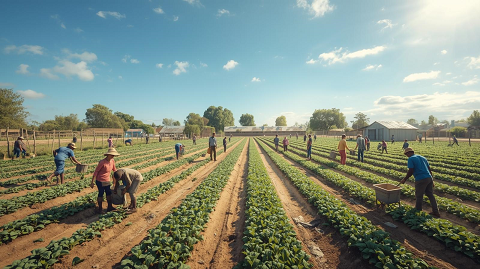
Farm Jobs in Norway for African Immigrants 2026
In 2026, farm jobs in Norway continue to represent one of the most structured and legally accessible employment opportunities for African immigrants seeking short-term or entry-level work in Europe. Norway’s agricultural sector is heavily dependent on seasonal and manual labor, particularly in rural regions where local labor supply remains insufficient.
Despite Norway’s strict immigration framework, agricultural employment remains a recognized labor-shortage sector, allowing non-European Union nationals, including Africans, to gain lawful access through seasonal and employer-sponsored work permits. These opportunities are not informal arrangements but are regulated under Norwegian labor and immigration laws, with defined wage standards, safety requirements, and contractual obligations.
Farm jobs in Norway are particularly attractive to African immigrants due to:
-
High wage levels compared to most countries
-
Strong labor protections
-
Transparent employment contracts
-
Legal work status
However, access is highly competitive and procedurally strict, requiring accurate documentation, genuine job offers, and full compliance with Norwegian regulations.
Understanding Agricultural Labor Demand in Norway
Norway’s geography and climate significantly shape its agricultural labor needs. Short growing seasons, intensive harvest periods, and remote farm locations create persistent labor shortages that cannot be filled solely by the domestic workforce.
Key Factors Driving Demand
-
Aging rural population
-
Youth migration to urban and professional sectors
-
Physically demanding farm work
-
Seasonal concentration of labor needs
As a result, Norwegian farm owners regularly recruit foreign workers to sustain food production and meet export and domestic supply obligations.
Types of Farm Jobs Available in Norway (2026)
Farm jobs in Norway are predominantly unskilled or semi-skilled, requiring physical endurance rather than formal education.
Crop Farming Jobs
These jobs form the backbone of seasonal agricultural employment.
Common Roles
-
Fruit pickers (berries, apples, plums)
-
Vegetable harvest workers
-
Greenhouse planting assistants
-
Sorting and packing workers
These roles peak during spring, summer, and early autumn.
Livestock Farm Jobs
Livestock farms offer more stable, sometimes year-round opportunities.
Typical Duties
-
Feeding and cleaning animal shelters
-
Assisting with milking operations
-
Maintenance of barns and equipment
-
Waste management tasks
Livestock roles often require longer working hours but provide steadier income.
Farm Jobs in Norway for African Immigrants 2026
Greenhouse and Controlled Farming Jobs
Greenhouse farming is expanding due to climate adaptation strategies.
Roles Include
-
Planting and transplanting assistants
-
Irrigation helpers
-
Harvest and packaging workers
-
Quality control assistants
These jobs are less weather-dependent and may offer extended contracts.
Eligibility Criteria for African Immigrants
Norway applies non-discriminatory but selective criteria for foreign agricultural workers.
General Eligibility Requirements
-
Age typically between 18 and 45 (occasionally up to 50)
-
Good physical and medical fitness
-
Clean criminal record
-
Willingness to work full-time in rural settings
-
Valid employment offer from a Norwegian farm
Formal education is not mandatory for most farm jobs.
Do Farm Jobs in Norway Offer Visa Sponsorship
Yes, but under specific conditions.
Norwegian farm employers may sponsor foreign workers when:
-
Local and EU labor supply is insufficient
-
Employment is seasonal or labor-intensive
-
Wage and housing standards are met
Sponsorship is job-specific and time-bound.
Types of Work Permits Used for Farm Jobs
Seasonal Work Permit
-
Most common route
-
Valid for up to 6 months
-
Tied strictly to agricultural employment
Temporary Employer-Sponsored Permit
-
Used for longer or repeated contracts
-
Requires stronger employer justification
Tourist visa employment is illegal and heavily penalized.
Expected Salary for Farm Jobs in Norway (2026)
Norway offers some of the highest agricultural wages globally.
Average Monthly Gross Salary
-
Farm and harvest workers: USD 2,200 – 3,200
-
Greenhouse workers: USD 2,300 – 3,400
-
Livestock assistants: USD 2,400 – 3,600
Hourly Wage Estimates
-
Standard hourly pay: USD 16 – 22
-
Overtime paid according to law
Net Income Considerations
After tax and mandatory deductions:
-
Estimated net income: USD 1,600 – 2,200 per month
Actual savings depend largely on accommodation arrangements.
Working Hours and Conditions on Norwegian Farms
Working Hours
-
37.5 to 40 hours per week
-
Extended hours during peak harvest periods
Work Environment
-
Physically demanding
-
Outdoor exposure in varying weather
-
Strict safety standards
Norwegian labor inspectors enforce compliance rigorously.
Accommodation and Living Arrangements
Many farm employers provide or arrange housing.
Employer-Provided Accommodation
-
Shared farm housing or cabins
-
Often subsidized or deducted at regulated rates
-
Located near work sites
Living Costs
-
Food: USD 350 – 500 monthly
-
Transport: Limited due to rural location
-
Utilities: Often included in housing
Accommodation support significantly affects savings potential.
Advantages of Farm Jobs in Norway for Africans
-
Legal and structured employment
-
High wage levels
-
Strong worker protections
-
Opportunity to return for multiple seasons
-
International work experience
Challenges African Immigrants Must Anticipate
-
Cold climate and long daylight hours
-
Physically demanding labor
-
Cultural and language differences
-
High cost of living without housing support
Proper preparation is essential for success.
Common Errors That Lead to Rejection or Failure
-
Accepting informal job offers
-
Using unverified agents
-
Submitting inconsistent documents
-
Underestimating living expenses
Norwegian authorities apply zero tolerance to irregularities.
Professional Preparation Strategies
-
Secure verified job offers only
-
Save sufficient settlement funds
-
Prepare for physical labor
-
Learn basic workplace communication norms
Step-by-Step Process to Get Farm Jobs in Norway for African Immigrants (2026)
Securing a farm job in Norway as an African immigrant requires strict adherence to official procedures. Norway does not operate informal labor entry systems. Every foreign agricultural worker must follow a structured employment and immigration process.
Farm Jobs in Norway for African Immigrants 2026
Step 1: Securing a Genuine Job Offer
The foundation of the entire process is a formal job offer from a registered Norwegian farm employer.
The job offer must clearly state:
-
Employer’s legal name and registration number
-
Working hours per week
-
Wage rate (hourly or monthly)
-
Duration of employment
-
Accommodation details (if provided)
Without this document, no visa application can proceed.
Step 2: Employer Compliance and Labor Approval
Before recruiting a non-European worker, the Norwegian employer must:
-
Demonstrate labor shortage
-
Comply with Norwegian wage standards
-
Ensure safe housing and work conditions
This step protects foreign workers from exploitation and ensures legal transparency.
Step 3: Work Permit Application
Once the job offer is issued, the applicant must apply for a Seasonal Work Permit or Temporary Work Permit.
Application Submission Includes
-
Completed application form
-
Employment contract
-
Valid international passport
-
Passport photographs
-
Proof of accommodation
-
Medical insurance coverage
-
Police clearance certificate
-
Proof of financial capacity
Incomplete documentation results in automatic rejection.
Step 4: Biometric Capture and Interview
Applicants are required to:
-
Attend biometric capture
-
Submit fingerprints
-
Participate in a short verification interview
The interview focuses on job understanding, work readiness, and intent to return after permit expiration.
Step 5: Decision and Entry to Norway
Processing typically takes 4 to 12 weeks depending on application volume and embassy workload.
Once approved:
-
Visa is stamped
-
Travel arrangements are made
-
Entry must occur within the permit validity period
Required Documents for African Applicants
Documentation accuracy is critical.
Core Documents
-
International passport (minimum 6 months validity)
-
Signed employment contract
-
Work permit approval
-
Medical fitness certificate
-
Police clearance certificate
-
Proof of accommodation
-
Proof of sufficient funds
False or altered documents lead to permanent bans.
Medical and Insurance Requirements
Applicants must demonstrate:
-
Physical fitness for manual labor
-
Coverage for medical emergencies
-
Compliance with Norwegian health regulations
Certain chronic conditions may affect eligibility depending on job demands.
Expected Net Salary and Savings Potential (2026)
While Norway’s gross wages are high, cost of living must be considered.
Average Monthly Breakdown
-
Gross salary: USD 2,400 – 3,600
-
Tax deductions: 20% – 28%
-
Net salary: USD 1,600 – 2,400
Estimated Monthly Expenses
-
Accommodation: USD 300 – 600 (often subsidized)
-
Food: USD 350 – 500
-
Transport: USD 50 – 100
-
Miscellaneous: USD 100 – 200
Estimated Monthly Savings
-
With employer housing: USD 700 – 1,200
-
Without housing: USD 400 – 800
Seasonal workers who manage expenses carefully often return home with significant savings.
Farm Jobs in Norway for African Immigrants 2026
Renewal and Repeat Employment Opportunities
Norway allows repeat seasonal employment.
Conditions for Renewal
-
Compliance with previous permit terms
-
No overstays or violations
-
New or renewed job offer
Long-term residence is not automatic, but consistent legal employment strengthens future visa credibility.
Transition Opportunities Beyond Farm Work
While farm jobs are typically temporary, they may open doors to:
-
Other seasonal industries
-
Greenhouse and food processing roles
-
Skill-based permits (with training)
However, transitioning requires new permits and employer sponsorship.
Common Mistakes African Applicants Must Avoid
-
Using unregistered agents
-
Paying for fake job offers
-
Entering on tourist visas for work
-
Ignoring accommodation standards
-
Overstaying permit duration
Norwegian immigration enforcement is strict and unforgiving.
Frequently Asked Questions (FAQs)
Can Africans apply for farm jobs in Norway without experience?
Yes. Most farm jobs are unskilled and do not require prior experience.
Is English required to work on Norwegian farms?
Basic English is sufficient. Norwegian language is not mandatory for entry-level roles.
Can I bring my family on a farm work permit?
No. Seasonal and temporary farm permits do not allow family reunification.
Is accommodation always provided?
Not always, but many employers offer subsidized housing.
Can farm work lead to permanent residence?
No direct pathway exists. Permanent residence requires long-term skilled employment.
What happens if I lose my farm job?
The permit becomes invalid unless a new employer is secured quickly.
Five Realistic Testimonies from African Farm Workers in Norway
Testimony 1: Samuel A., Ghana
“I worked on a strawberry farm for five months. The job was hard, but the pay was fair. Housing was provided, and I saved more money than I expected. I plan to return next season.”
Testimony 2: Fatima L., Nigeria
“This was my first time in Europe. The cold was challenging, but the work environment was organized. I respected the rules and had no issues with payment.”
Testimony 3: Ibrahim K., Senegal
“I worked on a livestock farm. Long hours, but stable income. The employer followed the contract strictly. I gained confidence working abroad.”
Testimony 4: Grace M., Kenya
“The greenhouse job was less physically stressful. I learned new farming techniques and saved enough to support my family back home.”
Testimony 5: Joseph N., Uganda
“I returned for a second season because my first contract ended properly. Following the rules made it easier to get approved again.”
Professional Advisory for 2026 Applicants
Farm jobs in Norway offer legal, structured, and financially viable opportunities for African immigrants who approach the process professionally. Success depends on preparation, compliance, and realistic expectations.
Applicants should treat farm work not as migration shortcuts but as temporary economic opportunities backed by lawful employment frameworks.
Final Conclusion
Farm jobs in Norway for African immigrants in 2026 remain a legitimate entry point into European seasonal employment. While physically demanding and temporary, they provide:
-
Competitive earnings
-
Strong worker protection
-
International work exposure
Those who comply with regulations and plan strategically can benefit significantly.