Visa Gift Card: Comprehensive Guide to Uses
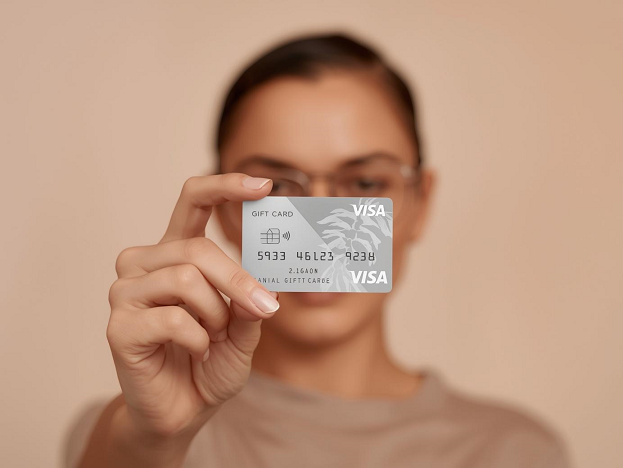
A Visa gift card is a prepaid payment card that carries the Visa brand and can be used for purchases wherever Visa debit cards are accepted, subject to the card’s terms and balance. Unlike traditional debit or credit cards, a Visa gift card is not linked to a bank account and does not require a credit check. It is funded in advance with a fixed amount and is commonly used for gifting, controlled spending, online purchases, and short-term payment needs.
In recent years, Visa gift cards have gained global attention due to their flexibility, convenience, and perceived security, especially for people who want a non-cash alternative that does not expose personal banking details. In 2026, Visa gift cards continue to be widely used by individuals, families, businesses, students, travelers, and online shoppers seeking simple payment solutions.
This guide is written strictly for informational purposes, helping readers understand what Visa gift cards are, how they work, what opportunities and services they offer, and what limitations and risks must be considered. It is structured as a professional consumer-finance resource suitable for a general audience. focuses on:
-
What a Visa gift card is
-
How it works
-
Types of Visa gift cards
-
Common use cases
-
Key benefits and practical value
-
Who typically uses Visa gift cards
What Is a Visa Gift Card?
A Visa gift card is a prepaid card issued by a financial institution in partnership with the Visa payment network. It is loaded with a specific monetary value at the time of purchase and can be used until the balance is exhausted or the card expires.
Unlike credit cards:
-
There is no borrowing
-
No interest
-
No monthly repayment obligation
Unlike bank debit cards:
-
It is not connected to a personal bank account
-
Spending is limited strictly to the prepaid balance
How a Visa Gift Card Works
Funding and Activation
A Visa gift card is:
-
Purchased with a fixed amount
-
Activated at the point of sale or shortly afterward
-
Ready for immediate use once activated
The value on the card represents the maximum spending limit.
Making Payments
When a Visa gift card is used:
-
The transaction amount is deducted from the card balance
-
If sufficient balance exists, the transaction is approved
-
If the balance is insufficient, the transaction is declined
Some merchants allow split payments, while others do not.
Balance Tracking
Cardholders can:
-
Check remaining balances
-
Review transaction history
-
Monitor expiry dates
Balance awareness is essential to avoid declined transactions.
Types of Visa Gift Cards
Visa gift cards come in different forms depending on issuer, region, and intended use.
Physical Visa Gift Cards
Description
Physical Visa gift cards resemble traditional debit cards and are commonly sold in:
-
Retail stores
-
Supermarkets
-
Financial institutions
They are often packaged as gifts.
Visa Gift Card: Comprehensive Guide to Uses
Typical Uses
-
In-store shopping
-
Online purchases
-
Gifting for birthdays, weddings, or holidays
Physical cards are widely accepted where Visa is supported.
Digital or Virtual Visa Gift Cards
Description
Virtual Visa gift cards exist in digital form and are delivered electronically. They usually include:
-
Card number
-
Expiry date
-
Security code
Typical Uses
-
Online shopping
-
Subscription payments
-
Digital services
Virtual cards are popular for speed and convenience.
Reloadable vs Non-Reloadable Visa Gift Cards
Non-Reloadable Cards
Most Visa gift cards are:
-
Single-load
-
Non-reloadable
-
Intended for one-time use until balance depletion
They are ideal for gifting.
Reloadable Cards
Some Visa-branded prepaid cards:
-
Allow additional funds to be added
-
Function more like prepaid debit cards
These are often marketed separately from gift cards.
Common Uses of Visa Gift Cards
Visa gift cards are used across many everyday and specialized scenarios.
Gifting and Personal Use
Visa gift cards are popular gifts because:
-
They offer flexibility of choice
-
They eliminate guesswork
-
They are easy to use
Recipients can decide how and where to spend the funds.
Online Shopping and E-Commerce
Many users prefer Visa gift cards for online purchases to:
-
Limit exposure of personal banking details
-
Control spending
-
Avoid recurring charges
They are often used for digital marketplaces, subscriptions, and apps.
Travel and Short-Term Expenses
Travelers sometimes use Visa gift cards for:
-
Small purchases
-
Online bookings
-
Emergency spending
However, acceptance may vary for certain travel-related transactions.
Budgeting and Controlled Spending
Some individuals use Visa gift cards to:
-
Set spending limits
-
Manage allowances
-
Control discretionary expenses
This makes them useful for students and young adults.
Business and Corporate Use
Businesses may use Visa gift cards for:
-
Employee rewards
-
Incentives
-
Promotions
-
Customer appreciation
They are often simpler than cash or bank transfers.
Key Benefits of Visa Gift Cards
Wide Acceptance
Visa gift cards are accepted:
-
In many countries
-
Across numerous merchants
-
Online and in physical stores
Acceptance depends on merchant systems and card terms.
No Credit Check Required
Anyone can purchase or receive a Visa gift card without:
-
Credit history
-
Bank account
-
Financial screening
This makes them accessible to a wide audience.
Visa Gift Card: Comprehensive Guide to Uses
Spending Control and Security
Visa gift cards:
-
Limit spending to the prepaid amount
-
Reduce risk of overspending
-
Minimize exposure of personal financial data
Loss impact is limited to the remaining balance.
Convenience and Speed
They are:
-
Easy to purchase
-
Easy to give
-
Easy to use
Digital versions offer near-instant delivery.
Who Typically Uses Visa Gift Cards?
Individuals and Families
Common users include:
-
Parents managing allowances
-
Gift givers
-
Individuals without bank accounts
They provide flexibility without long-term commitments.
Students and Young Adults
Students use Visa gift cards for:
-
Online purchases
-
Subscription services
-
Controlled budgeting
They offer a safe entry into digital payments.
Travelers and International Shoppers
Some travelers use Visa gift cards for:
-
Online transactions
-
Small purchases abroad
However, currency and acceptance limitations must be considered.
Businesses and Organizations
Organizations use Visa gift cards to:
-
Reward performance
-
Run promotions
-
Simplify incentive distribution
They reduce administrative complexity.
Important Practical Considerations
While Visa gift cards offer convenience, users must understand practical limitations.
Expiry Dates
Most Visa gift cards:
-
Have an expiration date
-
May charge inactivity or maintenance fees after a period
Unused balances can diminish over time.
Merchant Restrictions
Some merchants:
-
Do not accept prepaid cards
-
Require cards with registered billing addresses
This can affect certain transactions.
Partial Payments and Holds
Some services:
-
Place temporary authorization holds
-
Require full balance availability
This can cause unexpected declines.
Regulatory and Regional Differences
Visa gift card rules vary by:
-
Country
-
Issuer
-
Local regulations
Users must review card terms carefully.
Common Misunderstandings About Visa Gift Cards
“Visa Gift Cards Work Everywhere”
While widely accepted, they:
-
Are not universally accepted
-
May be rejected by certain merchants
Acceptance is broad but not absolute.
“They Are the Same as Debit Cards”
Visa gift cards:
-
Are prepaid
-
Lack bank account linkage
-
Have different consumer protections
They should not be treated as bank cards.
“They Never Expire”
Most cards do expire or incur fees over time.
Strategic Advice for Visa Gift Card Users
-
Check terms before purchase
-
Track balances carefully
-
Use cards before expiry
-
Avoid using them for high-risk transactions
Informed use maximizes value.
Fees and Cost Structure of Visa Gift Cards
Understanding fees is essential to avoid unexpected balance reductions.
Purchase and Activation Fees
Most Visa gift cards include:
-
A one-time purchase or activation fee
-
A fee that varies by card value and issuer
This fee is paid upfront and does not affect the card’s face value.
Maintenance and Inactivity Fees
Some Visa gift cards:
-
Charge monthly maintenance fees after a period
-
Deduct inactivity fees if the card is unused
These fees can gradually reduce the remaining balance.
Transaction-Related Fees
Depending on issuer and usage:
-
Foreign currency transactions may incur fees
-
Certain merchants may add processing charges
Users should review card terms carefully.
Replacement Fees
If a card is lost or damaged:
-
Replacement may be possible
-
Fees may apply
-
Proof of purchase is often required
Not all cards are replaceable.
Risks Associated With Visa Gift Cards
While generally safe, Visa gift cards are not risk-free.
Visa Gift Card: Comprehensive Guide to Uses
Fraud and Scams
Visa gift cards are commonly targeted in scams because:
-
Transactions are difficult to reverse
-
Cards can be used anonymously
Common scam scenarios include:
-
Fake payment requests
-
Impersonation scams
-
Urgent demand messages
Legitimate institutions do not demand payment via gift cards.
Loss and Theft Risks
If a Visa gift card is:
-
Lost
-
Stolen
-
Used without authorization
Recovery may be difficult, especially without registration.
Limited Consumer Protections
Compared to credit cards:
-
Dispute rights may be limited
-
Chargeback protections may be weaker
Users should treat gift cards like cash equivalents.
Practical Limitations of Visa Gift Cards
Use for Travel and Accommodation
Many hotels, airlines, and car rental companies:
-
Require credit cards
-
Place large authorization holds
Visa gift cards may be declined in these situations.
Subscription and Recurring Payments
Some subscriptions:
-
Require cards with billing addresses
-
Decline prepaid cards
Even when accepted, insufficient balance can disrupt services.
Large Purchases and Partial Payments
Some merchants:
-
Do not allow split payments
-
Require full transaction balance availability
This can limit card usability for high-value purchases.
Geographic and Currency Restrictions
Visa gift cards may:
-
Be restricted to certain countries
-
Not support currency conversion
International use is not always guaranteed.
Comparison: Visa Gift Card vs Debit Card vs Prepaid Card
Visa Gift Card vs Debit Card
Visa Gift Card
-
Prepaid
-
No bank account
-
Fixed balance
-
Limited protections
Debit Card
-
Linked to bank account
-
Access to full account balance
-
Stronger consumer protections
Visa Gift Card vs Reloadable Prepaid Card
Visa Gift Card
-
Usually non-reloadable
-
Designed for gifting or short-term use
Reloadable Prepaid Card
-
Ongoing use
-
Often includes account features
-
May require identity verification
Visa Gift Card vs Cash
Visa Gift Card
-
Trackable transactions
-
Limited loss recovery
Cash
-
Universally accepted
-
No digital trail
-
High loss risk
Each option serves different needs.
Visa Gift Card: Comprehensive Guide to Uses
Real-World Scenarios and Best Use Cases
Scenario 1: Gifting and Celebrations
Visa gift cards are ideal for:
-
Birthdays
-
Weddings
-
Graduations
They offer flexibility without personal assumptions.
Scenario 2: Online Shopping Safety
Users concerned about:
-
Data security
-
Overspending
Often prefer Visa gift cards for online transactions.
Scenario 3: Student Budget Management
Parents may use Visa gift cards to:
-
Control allowances
-
Teach budgeting
Spending is naturally capped.
Scenario 4: Business Incentives
Companies use Visa gift cards for:
-
Sales incentives
-
Promotional campaigns
They simplify distribution.
When Visa Gift Cards Are Not Ideal
Visa gift cards may not be suitable for:
-
Long-term financial management
-
Large or recurring expenses
-
Travel bookings requiring credit cards
Understanding limitations prevents frustration.
Best Practices for Safe and Effective Use
-
Purchase cards from reputable sources
-
Keep receipts and card details secure
-
Register the card if possible
-
Use balances promptly
-
Avoid sharing card details
-
Never use gift cards for unsolicited payment requests
These practices reduce risk.
Regulatory and Consumer Awareness in 2026
In 2026:
-
Consumer awareness around gift card scams is increasing
-
Regulators emphasize fraud prevention
-
Issuers improve transparency
However, responsibility still rests largely with users.
Final Evaluation: Is a Visa Gift Card Right for You?
A Visa gift card is most suitable if you:
-
Want a flexible gift option
-
Need controlled spending
-
Prefer limited financial exposure
It may not be suitable if you:
-
Need full banking features
-
Require strong dispute protections
-
Plan frequent large transactions
Final Summary
Visa gift cards remain a convenient, flexible, and widely accepted payment option in 2026. They offer clear advantages for gifting, budgeting, online purchases, and short-term use, but also carry limitations related to fees, acceptance, and consumer protections.
Informed users who understand:
-
Fee structures
-
Usage limits
-
Fraud risks
Can maximize the value of Visa gift cards while avoiding common pitfalls.