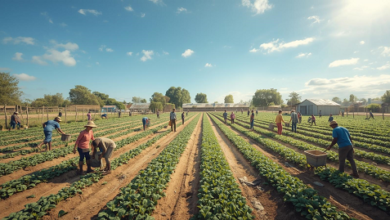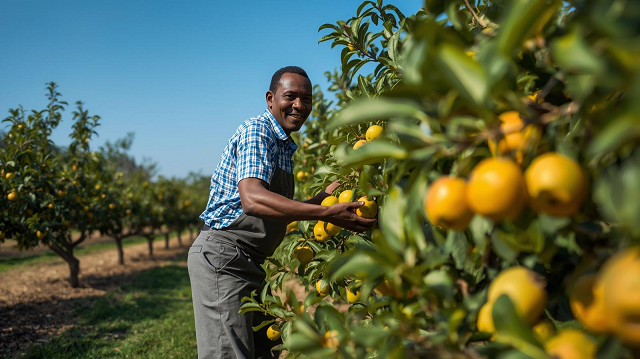
Visa Sponsorship Fruit Picker Jobs Spain 2026: Fruit picker jobs in Spain remain one of the most accessible employment pathways for African job seekers who want seasonal work opportunities in Europe. Every year, Spain recruits thousands of foreign workers especially from developing regions for seasonal agricultural roles. These roles include harvesting strawberries, oranges, grapes, peaches, olives, mandarins, and other farm produce. Because these jobs are seasonal and depend heavily on migrant labour, Spain offers official recruitment channels and sometimes visa sponsorship arrangements to bring in workers legally from abroad.
For Africans, especially those from Nigeria, Ghana, Kenya, Cameroon, Uganda, Zambia, Zimbabwe, and other nations, fruit picking has become one of the most realistic job options because:
It requires no university degree.
It accepts applicants with little or no work experience.
It does not require high-level Spanish language skills.
The Spanish agricultural sector faces a labour shortage every year.
There are government-approved recruitment partnerships with foreign countries.
This combination makes fruit picker jobs a major source of opportunity for Africans seeking temporary employment abroad with legal documentation, accommodation support, and fair salaries.
Why Spain Recruits Foreign Fruit Pickers Every Year
Spain is one of Europe’s largest agricultural producers. Its economy relies heavily on fruit and vegetable exports. The regions of Huelva, Valencia, Murcia, Catalonia, and Andalusia produce millions of tonnes of fruits yearly. Because Spanish citizens prefer urban jobs, there is a consistent labour shortage in rural farming communities.
Thousands of roles must be filled yearly, and local workers alone cannot meet the demand. This shortage leads Spanish authorities and farm employers to sponsor visas, partner with foreign governments, and conduct structured international recruitment campaigns.
For Africans, this creates a direct employment pathway because farms urgently need reliable workers who can travel, stay for the season, and return after the harvest. Many employers prefer international seasonal workers for the following reasons:
They are willing to commit to the full farming season.
They do not frequently switch jobs.
They often return in subsequent years, reducing training time.
They help stabilize production timelines.
This predictable labour supply system ensures Spain maintains its agricultural output, while foreign workers gain income, experience, and international exposure.
Types of Fruit Picking Jobs Available for African Workers
Fruit picking is a broad category, and Spain offers various agricultural roles across the year. Understanding the job types helps applicants prepare properly, choose seasons that match their availability, and maximize their chances of getting hired.
Harvesting and Picking Roles
These are the most common seasonal activities. Workers are expected to:
Pick fruits manually
Sort fruits based on quality
Pack fruits into crates or baskets
Load filled containers for transportation
Examples of fruits harvested include:
Strawberries
Raspberries
Blueberries
Oranges
Lemons
Mandarins
Grapes
Olives
Peaches
Melons
Among these, the strawberry harvest in Huelva is the single largest recruitment opportunity for Africans.
Visa Sponsorship Fruit Picker Jobs Spain 2026
Planting and Cultivation Jobs
Some farms hire workers earlier in the season for:
Preparing soil
Planting seedlings
Maintaining irrigation systems
Fertilization
Weeding fields
These roles provide longer-term seasonal contracts, sometimes lasting up to 9 months.
Packing House and Sorting Jobs
In packing facilities, workers handle:
Fruit sorting
Washing
Quality inspection
Labelling
Box packaging
Warehouse storage
These roles are less physically demanding and are sometimes preferred by women workers.
Greenhouse Jobs
Greenhouse operations include:
Temperature monitoring
Plant watering
Trimming and pruning
Moving plants between zones
These jobs are common in Valencia and Murcia.
How Visa Sponsorship Works for Fruit Picker Jobs in Spain
Visa sponsorship for agricultural work in Spain usually comes through the Seasonal Work Visa, also known as the Temporary Residence and Work Visa for Seasonal Activities. This visa allows overseas workers to come to Spain for a limited period to work in agriculture.
However, sponsorship works differently depending on your nationality and the employer’s hiring process.
Below is how it normally works for African applicants:
Step 1: Employer Applies for Authorization
The Spanish employer begins the sponsorship process by applying for authorization from Spanish immigration authorities. This authorization allows them to hire foreign seasonal workers. During this process, they must prove that:
No enough local workers are available
They have legal accommodation arrangements
They will provide a work contract
They will cover transport and return commitments (in some cases)
African applicants do not start the visa application until the employer receives approval.
Step 2: Visa Application at the Embassy or Consulate
After approval, the employer sends the worker a contract and required documents. The applicant then submits their visa application at the Spanish Embassy or Visa Application Centre in their home country.
Applicants must present:
A valid passport
Signed employment contract
Proof of accommodation provided by employer
Travel itinerary
Police clearance
Medical fitness certificate
Some employers cover visa fees, while others do not.
Step 3: Travel to Spain and Begin Work
Once the visa is approved, the worker travels to Spain. Upon arrival:
You report to the employer
You begin work according to your contract
You may receive orientation training
Accommodation will be provided if stated in your contract
Workers typically stay for 3 to 9 months depending on the harvest season.
Step 4: End of Contract and Return
After completing the contract:
Workers must return to their home country
Employers report that workers fulfilled their obligations
Returning workers may be invited again for the next season
Spain values seasonal workers who obey visa rules because it increases their chances of being recruited again.
Countries in Africa Actively Recruited by Spain for Seasonal Jobs
Spain prioritizes foreign recruitment from specific African nations due to established labour cooperation agreements and historical migration patterns.
Countries frequently recruited include:
Morocco (long-term agreement)
Senegal
Gambia
Mauritania
Mali
Nigeria (growing demand for workers)
Ghana
Kenya
Cameroon
Uganda
Tanzania
Zimbabwe
Zambia
Morocco has the highest number of seasonal workers due to bilateral agreements, but Spain has increasingly expanded recruitment to Sub-Saharan African countries to fill shortages.
Visa Sponsorship Fruit Picker Jobs Spain 2026
Regions in Spain That Recruit Fruit Pickers Frequently
The agricultural industry is distributed across various regions. Workers should understand where farms are located before applying.
Huelva
Known for strawberries, berries, and greenhouse crops.
Largest employer of seasonal migrant workers.
Murcia
Specializes in citrus fruit, melons, and lettuce farms.
Valencia
Major orange and mandarin harvesting region.
Lleida (Catalonia)
Known for apples, pears, and peach orchards.
Aragon
Agriculture and livestock production zones.
Extremadura
Olives, grapes, cherries, and cereals.
Andalusia
One of the biggest agricultural economies—various crops grown year-round.
Benefits of Visa Sponsorship Fruit Picker Jobs for Africans
Spain offers several advantages that make it a top choice for seasonal migrant workers.
1. Legal Work Visa
Workers enter Spain legally with full documentation. This ensures:
No risk of deportation
Fair treatment under Spanish labour laws
Eligibility for annual re-employment
2. Opportunities for Repeat Contracts
Seasonal workers who complete their contracts and return home on time are often invited again for:
Next harvest season
Longer seasonal roles
Better positions in future
This creates a stable yearly income stream.
3. Free or Subsidized Accommodation
Most employers provide:
Shared housing
Farm lodges
Worker dormitories
Hostel-style accommodation
Rent deductions are usually low or completely free.
4. Fair Salaries Based on Spanish Labour Standards
Wages follow legal minimums. Workers typically earn:
600–1200 euros monthly
Overtime pay
Productivity bonuses in some farms
This is significantly higher than farm wages in Africa.
5. No Formal Education Required
Fruit picking does not require a university degree, making it accessible to:
Secondary school graduates
Vocational learners
Skilled and unskilled workers
6. Opportunity for Skill Development
Workers learn:
Agricultural practices
Greenhouse management
Irrigation
Quality control
Food handling
Team collaboration
These skills may lead to other opportunities in Europe or Africa.
7. Exposure to International Work Culture
Many workers gain cross-cultural experience and broaden their career prospects.
Eligibility Requirements for African Applicants in 2026
To qualify for Spain’s fruit picker jobs with visa sponsorship, workers must meet the basic criteria under the seasonal visa requirements.
General Requirements
Valid passport
Age 18–55
Physically fit for manual labour
Availability to stay for full contract duration
Clean criminal record
Ability to follow Spanish work regulations
Willingness to return home after contract
Health Requirements
Farms prefer applicants who are:
Physically strong
Able to stand for long hours
Capable of lifting produce
Free from contagious diseases
Workers may undergo medical examinations before approval.
Language Requirements
Spanish language is optional. Basic English or French is helpful.
However, employers often provide:
On-site supervisors
Language guides
Team leaders who communicate in simple terms
Visa Sponsorship Fruit Picker Jobs Spain 2026
Experience Requirements
No formal experience needed, but experience in:
Farming
Harvesting
Rural work
Outdoor labour is considered an advantage.
How to Apply for Visa Sponsorship Fruit Picker Jobs in Spain as an African
Applying for fruit picking jobs in Spain as an African requires understanding the recruitment pathway, required documentation, employer processes, and seasonal timelines. Because the competition is high, you must apply early, follow instructions carefully, and use the right recruitment channels.
Here is a clear breakdown of how to apply.
Step 1: Identify Seasonal Recruitment Periods
Spain hires agricultural workers mainly during certain periods of the year. These seasons determine when employers start recruiting, when visas are processed, and when workers travel.
The main seasons include:
Strawberry season (January to June)
Citrus harvesting (October to February)
Grape harvesting (August to October)
Peach and stone fruits (May to September)
Olive picking (November to February)
Understanding these seasons helps applicants know when to submit applications so that they are considered early.
Step 2: Search for Licensed Employers or Official Recruitment Programs
Spain prefers employers who use formal government-approved recruitment processes. These programs help African workers get legitimate job offers without scams or fake agents.
Applicants can find opportunities through:
Agricultural cooperatives
Government-approved labour agencies
Province-level job boards
International recruitment agreements
Non-profit migration support programs
Some employers recruit directly, while others use agricultural associations to bring workers in bulk.
Step 3: Prepare Required Documents Before Applying
Every applicant must submit specific documents for the visa sponsorship process to be successful. While employers submit some documents on your behalf, workers need to prepare theirs early to avoid delays.
Common documents include:
A valid passport (at least 6–12 months validity)
Passport photographs
Birth certificate
Signed employment contract
Police clearance certificate
Medical fitness certificate
Proof of return commitment
Basic educational documents (optional)
Visa application form
Travel insurance for the duration of the contract
Applicants are encouraged to gather these documents early, even before applying for the job. Employers often proceed faster with candidates who are prepared.
Step 4: Attend Employer Interviews or Screening Sessions
Most employers conduct simple screening interviews. These may be held physically or online depending on the recruitment method.
Employers usually ask about:
Physical fitness
Previous farming experience
Availability for the full season
Willingness to live in farm accommodation
Ability to follow instructions
Basic teamwork skills
These interviews are typically short, informal, and straightforward. Employers are mainly checking reliability and readiness to work.
Step 5: Employer Applies for Your Work Authorization in Spain
Once selected, the employer begins the visa sponsorship process by applying for:
Seasonal work authorization
Temporary residence approval
Labour clearance
This process happens entirely in Spain, not in the worker’s country. Workers simply wait for the employer to complete the approval stage.
Once approved, the employer sends a:
Copy of the work authorization
Signed job contract
Housing information
Work schedule
Official invitation for visa application
These documents form the foundation of the worker’s visa application.
Visa Sponsorship Fruit Picker Jobs Spain 2026
Step 6: Apply for a Seasonal Work Visa at the Spanish Embassy
Workers submit their visa applications at:
The Spanish Embassy
A Spanish Consulate
A Visa Application Centre (VAC)
Applicants must provide:
Completed visa form
Passport
Police certificate
Medical report
Employer documents
Proof of return arrangements
Travel insurance
Visa fee payment
This stage is handled by the worker. Embassy interviews may be required depending on the country.
Step 7: Receive Your Visa and Travel to Spain
Once the visa is approved, workers can travel to Spain. Employers often:
Arrange airport pickup
Provide accommodation details
Give orientation at the worksite
Assign supervisors to new workers
Workers are expected to begin working immediately according to their contract.
Typical Salary Range for Fruit Picker Jobs in Spain
Salary varies depending on:
Region
Type of farm
Demand
Working hours
Harvest volume
Overtime
However, most fruit pickers earn between:
600 euros – 1200 euros monthly
plus overtime opportunities
plus bonuses (depending on productivity)
Managers, team leaders, or greenhouse assistants may earn slightly higher wages.
Workers are usually paid weekly or bi-weekly, and pay slips are provided for accountability and record-keeping.
Accommodation and Living Conditions for Seasonal Workers
Most employers provide free or low-cost accommodation for foreign seasonal workers.
Typical accommodation includes:
Shared rooms
Farm cottages
Dormitory-style housing
Hostels
Bunk-bed rooms
Communal kitchens
Shared bathrooms
Laundry access
While accommodation is basic, it is functional and located near the farm to reduce transport costs.
Some employers also provide:
Transportation to and from the fields
Work clothing
Protective gear (gloves, boots, hats)
Kitchen utensils
Recreation spaces
The quality of accommodation varies, but all employers must meet Spanish labour and safety standards.
Challenges African Workers May Face and How to Overcome Them
Although fruit picking jobs offer great opportunities, workers may experience challenges. Understanding these challenges helps applicants prepare in advance.
1. Physical Stress
Fruit picking is physically demanding. Workers often spend long hours standing, bending, lifting, or walking.
Solution:
Stay hydrated, sleep well, stretch regularly, and build physical endurance before travelling.
2. Language Barriers
Most supervisors communicate in Spanish.
Solution:
Learn basic Spanish phrases before travelling. Use translation apps until communication improves.
3. Weather Conditions
Spain becomes extremely hot in summer and cold in winter.
Solution:
Wear farm-appropriate clothing and follow safety guidelines.
4. Homesickness
Seasonal workers may feel lonely.
Solution:
Stay connected with family, make friends among workers, and participate in communal activities.
5. Unfamiliar Work Culture
Spanish agricultural culture is structured and time-sensitive.
Solution:
Follow instructions, maintain punctuality, and work respectfully with others.
Visa Sponsorship Fruit Picker Jobs Spain 2026
Why Fruit Picking Remains One of the Best Opportunities for Africans in 2026
Fruit picking is ideal for Africans because it combines accessibility, affordability, and economic opportunity.
Key reasons include:
No degree required
No high-level language skills needed
High acceptance rate for African applicants
Short-term visas (so easier to obtain)
Possibility of yearly re-employment
Better salaries compared to local jobs
Accommodation support reduces cost of living
Legal migration pathway without risky travel routes
Many African workers return yearly to the same farms, creating stability and predictable income for their families.
Frequently Asked Questions About Visa Sponsorship Fruit Picker Jobs in Spain
Are these jobs legitimate?
Yes, Spain’s seasonal recruitment program is government-regulated and legal.
Do employers provide accommodation?
Most do. Many provide free or subsidized housing.
Can women apply?
Yes, women are highly encouraged, especially for berry picking.
Do I need Spanish language skills?
Basic Spanish is helpful but not required for selection.
Can I change employers after arriving?
No. Seasonal workers must work for the sponsoring employer only.
Can I extend my visa?
Seasonal visas are short-term. Extensions depend on the harvest calendar and employer need.
Is this a pathway to permanent residence?
Not directly. However, consistent legal seasonal work improves long-term prospects.
Visa Sponsorship Fruit Picker Jobs Spain 2026
Tips to Increase Your Chances of Getting Selected
Apply early (3–6 months before harvest season)
Ensure your passport is valid
Submit a clean police report
Be physically prepared
Demonstrate commitment during interviews
Be honest about availability
Join verified recruitment programs
Respond to employer emails quickly
Have basic travel documents ready
Follow all rules when in Spain
Applicants who complete contracts responsibly have a very high chance of getting invited for subsequent seasons.
Final Conclusion
Visa sponsorship fruit picker jobs in Spain remain one of the most accessible and realistic migration pathways for Africans in 2026. Spain’s agricultural sector depends heavily on seasonal migrant labour, and this creates structured opportunities for African job seekers who are ready, willing, and hardworking.
These jobs require no formal educational qualifications and offer fair salaries, accommodation support, legal work authorization, and the possibility of returning annually. While the work is physically demanding, the financial and professional benefits make it a viable opportunity for thousands of African migrants seeking seasonal employment abroad.
By understanding the application process, preparing necessary documents, and choosing reputable employers, Africans can successfully secure fruit picking jobs in Spain and build a consistent seasonal income stream for themselves and their families.